Путин: США за два года напечатали примерно столько долларов, сколько за предыдущие 40 лет

МОСКВА, 7 июл — ПРАЙМ. Запад в период борьбы с пандемией стал злоупотреблять своим монопольным положением в валютной сфере, США за два года напечатали примерно столько, сколько за предыдущие 40 лет — 5,9 триллиона долларов, в Еврозоне напечатали 2,5 триллиона евро, что и привело к кризису, заявил президент РФ Владимир Путин.
«Наверняка специалисты знают о том, что кризис начал возникать еще в период борьбы с пандемией. И начал он возникать в связи с тем, что в развитых экономиках начали злоупотреблять своим монопольным положением в валютной сфере, включили печатный станок. Вот в Соединенных Штатах напечатали 5,9 триллиона долларов. Это 38% процентов денежной массы. За два года напечатали, примерно столько, как печатали за предыдущие 40 лет. Темп такой же», — сказал он в ходе общения с победителями конкурса «Лидеры России».
Путин отметил, что в Еврозоне напечатали 2,5 триллиона евро. Запад пустил эти средства в экономику, начал раздавать гражданам, добавил президент РФ.
«Что вроде бы и не плохо. И мы делали примерно то же самое. Но мы делали это все-таки точечно, аккуратно, и это не привело к такой вспышке инфляции», — заметил Путин.
«Пузырь» вот-вот лопнет: сколько можно напечатать долларов и евро

МОСКВА, 8 мая – ПРАЙМ, Валерия Княгинина. США в прошлом году напечатали четверть всех существующих долларов — 9 триллионов. В этом году страна собирается продолжить эмиссию национальной валюты. Впрочем, Штаты – не единственные, кто включил печатный станок на полную мощность. Эксперты рассказали агентству «Прайм», для чего центробанки вливают новые деньги в экономику и во что такая регулятивная политика в итоге выльется.
ЗАЧЕМ ВКЛЮЧАЮТ ПЕЧАТНЫЙ СТАНОК
Печатание денег — это фигуральное выражение. Центробанки не печатают физические банкноты, а с помощью пары кликов на компьютере вводят их в коммерческую банковскую систему, подобно электронному депозиту, говорит финансовый аналитик TradingView, Inc. Игорь Кучма.
К денежной эмиссии и другим мерам по увеличению денег в обращении (например, снижению ключевой ставки либо резервных требований) государства прибегают в случаях, когда экономика испытывает потребности в дополнительных денежных ресурсах. Например, если наблюдается дефицит совокупного спроса, есть потребность в реализации инвестиционных проектов, нужно изыскать средства для погашения государственного долга или необходимо решить какие-либо социально-экономические задачи, объясняет декан факультета экономики и бизнеса Финансового университета при Правительстве Российской Федерации Екатерина Бессмертная.

Вливание в экономику новых денег помогает государствам обеспечить дополнительный спрос на продукцию страны, чтобы он стал инструментом её роста. Также это позволяет компенсировать рост стоимости жизни для населения и снижение рентабельности для компаний, отмечает доцент Института мировой экономики и бизнеса РУДН Владимир Григорьев.
При прочих равных условиях активизация «печатного станка», приводящая к наращиванию денежной массы выше потребностей рынка товаров и услуг, приводит к росту инфляции и обесценению национальной валюты, поясняет Бессмертная.
БОЛЬШЕ ДОЛЛАРОВ В МАССЫ
В 2020 году США напечатали четверть всех существующих долларов — 9 триллионов. Вполне возможно, эмиссия доллара продолжится и дальше. «США, похоже, в первую очередь ориентируются на свои потребности в финансировании, а не на реальные возможности экономики», — говорит эксперт.
Недавно созданные ФРС доллары используются для покупки облигаций и других ценных бумаг, что привело к резкому взлету на рынках. Многие эксперты даже заговорили о «пузыре», который вот-вот лопнет.
Действительно, на фоне общего спада экономики в связи с пандемией в 2020 году индекс S&P прибавил более 12%. И это далеко не рекордсмен среди американских фондовых индексов. Акции многих компаний демонстрируют высочайший уровень переоцененности – соотношение цена/прибыль на акции Teslа составляет на текущий момент запредельные 1187,16, Amazon — 81,6 Apple – 36,42, и т.д.
«Очевидно, что фундаментальных причин такого роста объективно не существует. Фондовый пузырь по мере выплеска на рынок новых денежных эмиссий будет продолжать раздуваться», говорит Бессмертная.
В теории такие вливания долларов на рынок должны удерживать процентные ставки на низком уровне. А низкие процентные ставки должны способствовать росту экономики. Однако большое количество долларов в обороте обязательно приводит к росту цен, отмечает Кучма.
По его мнению, ФРС таким образом манипулирует рынком облигаций, где в конечном итоге определяются уровни процентных ставок.
«Будучи участником аукционов по продаже государственных облигаций с деньгами количественного смягчения в кармане, ФРС вызывает рост цен на облигации. И это автоматически приводит к снижению доходности этих облигаций (процентной ставки)», — поясняет финансист.

Для американского бюджета, населения и бизнеса краткосрочная польза от этого есть. Но в конечном счете, результатом интенсивной работы печатного станка является обесценивание денег.
То есть, когда экономисты говорят о слабом долларе, они подразумевают, что покупательская способность резидентов США снижается. А цены на импортные товары, в свою очередь, растут.
При этом слабый доллар также означает, что экспорт более конкурентоспособен на мировом рынке, что, возможно, позволит сохранить рабочие места в США. Слабый доллар также лучше подходит для развивающихся рынков, которым нужны резервы в долларах США, отметил Кучма.
АМЕРИКАНСКИЙ ПУТЬ ДЛЯ РОССИИ
При этом прогнозы в части «обрушения» курса доллара и наступления периода гиперинфляции в США, тем не менее, вряд ли имеют под собой серьезную основу. Денежную массу в 2020 году увеличивали не только США, но и другие ведущие экономики мира, хотя и не в таких масштабах.
Американская валюта – на особом положении: это ведущая мировая резервная валюта. Обесценение доллара неизменно повлечет за собой и обесценение многих других валют. Это значит, что надеяться на снижение курса доллара по отношению к валютам стран с развивающимися финансовыми рынками в ближайшее время вряд ли стоит, подчеркивает Бессмертная.
Российские власти едва ли смогут пойти по американскому пути, во всяком случае, масштабно. Дело в том, что у американцев площадка для эмиссии — весь мир, а у нас — только Россия. Ведь доллар, в отличие от рубля, не только национальная, но и мировая валюта, говорит Григорьев.
Единственной возможностью прилично заработать на этой избыточной денежной массе долларов в экономике является её вложение на относительно короткий срок в финансовые инструменты с перспективой роста, заключил эксперт.
80% of all US dollars in existence were printed in the last 22 months (from $4 trillion in January 2020 to $20 trillion in October 2021)
Last year, we wrote a piece titled, “40% of US dollars in existence were printed in the last 12 months,” one of our most popular articles. On January 6, 2020, the US Federal Reserve had around $4 trillion dollars. However, a lot has changed since then. The Fed has accelerated its quantitative easing (widely referred to as money printing) to increase the liquidity of U.S. banks and inject trillions of dollars into the economy.
As of February 2022, the US Inflation hits a 40-year high, rising to 7.5% in 2021 as Federal Reserve continues to print trillions out of thin air. The US is now on the path of 1921 Weimar Germany. The Fed’s addiction to money printing has kept the party going for Wall Street while fueling inequality. Today, the stock market and cryptocurrency are at record highs while income and wages remain almost the same. The Federal Reserve continues to print more money further devaluing the dollars and enslaving millions of Americans.
Now a little over a year after our last piece, the Federal Reserve has updated the numbers. Sadly it’s no longer 40 percent of all U.S. dollars that were printed since 2020, not 50 percent and not even 70 percent. Since January 2020, the US has printed nearly 80% of all US dollars in existence.
To understand the magnitude of the Fed’s money printing, we need to go back 22 months ago. At the start of 2020, there was $4.0192 trillion in circulation. On January 4, 2021, the number increased to $6.7 trillion dollars. Then the Fed went into overdrive. By October 2021, that number climbed to $20.0831 trillion dollars in circulation.
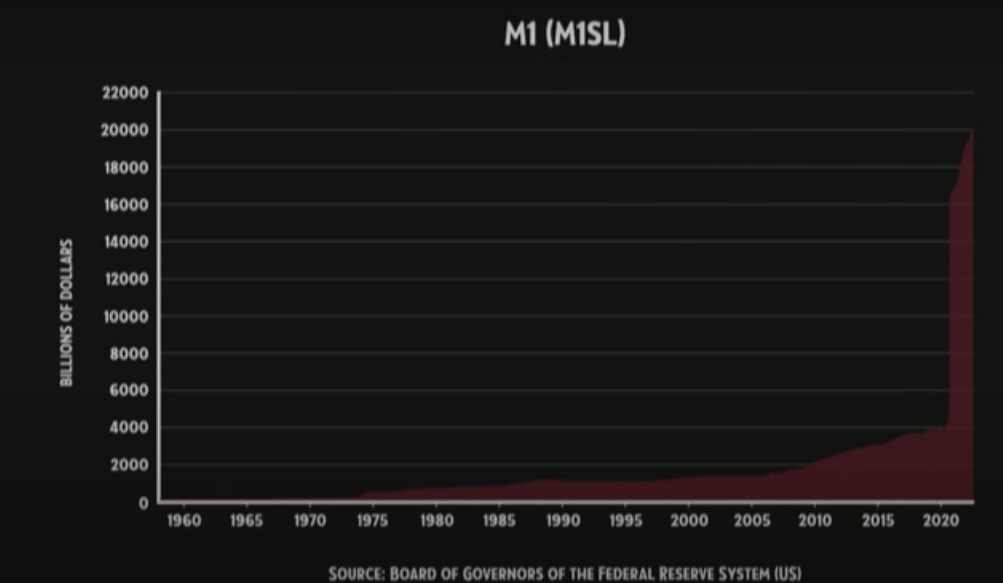
What started as an emergency monetary policy to shield the economy from the COVID-19 pandemic in 2020 has led to further devaluation of US dollars. Since March 15, 2020, the Federal Research buys $80 billion in Treasuries and $40 billion in housing-backed securities each month, pushing the Fed’s balance sheet to $8.66 trillion as of December 7, 2021.
However, Fed’s asset and bond purchase are just is of the ways the Federal Research injects trillions into the economy. In addition, the U.S. government also issued stimulus checks to millions of employed Americans. Where did the money come from? The government had to borrow by selling its debt in the form of U.S. Treasury bonds and other types of securities. Then after the bonds are sold, the Federal Reserve gets to work and starts printing money.
Meanwhile, Fed’s excessive money printing is beginning to cause a devastating effect on the economy and people’s purchasing power. For example, the annual inflation rate in the US surged to 6.8% in November of 2021, the fastest rate since 1982.
At the rate we’re going, the Fed’s addiction to printing lead to further devaluation of the US dollar since money printing doesn’t necessarily increase productivity or economic output. What the Fed is doing now has been tried throughout history. The outcome is always the same. Take, for example, Germany. Between June 1921 and November 1923 in Weimar Germany, the highest monthly inflation rate rose by over 30,000%. Zimbabwe is another country with hyperinflation.
Meanwhile, money printing is nothing new. The Federal Reserve has been printing money since 1971 when the United States moved away from the gold standard in 1971 after President Nixon ended the convertibility of U.S. dollars to gold.
On Aug. 15, 1971, Former President Richard Nixon said in a speech, “I have directed [Treasury] Secretary Connally to suspend temporarily the convertibility of the dollar into gold or other reserve assets, except in amounts and conditions determined to be in the interest of monetary stability and in the best interests of the United States.”
In 1970, the average income was $9,400 and a new house was $23,400. Today, the cost of an average home is over $200,000.
Is Federal Reserve repeating the same mistakes of 1921 Weimar Germany?
So if history is any guide, what the Federal Reserve is doing now has been tried throughout history. As Federal Reserve continues to print trillions of dollars out of thin air with no productivity to back it up, at some point down the road, the world will finally lose faith in the US dollar as a global currency and conclude that it no longer makes sense to store their wealth in US dollars.
Today, the Federal Reserve appears to be following the footsteps of 1923 Germany’s Weimar Republic shortly after World War I. The country has often been cited as a classic of unending money printing. Between June 1921 and November 1923, the highest monthly inflation rate rose by over 30,000% in Weimar Germany.
It all started around 1921 when Germany stopped backing its currency with gold and instead fired up its money-printing machine (similar to what the Federal Reserve is doing today) in order to finance the war. Then the money-printing machines continued printing after the war to help pay for reparations imposed upon Germany by the Allies.
In closing, below is a video from our friend, Jake Tran, about how Nixon’s 1971 decision because a turning point for the United States, and how 1971 marked the year humanity became enslaved.
February 2022 Update: Inflation hits a 40-year high, rises to 7.5% in 2021 even as Federal Reserve continues to print trillions out of thin air. The US is now on the path of 1921 Weimar Germany.
40% of US dollars in existence were printed in the last 12 months: Is America repeating the same mistake of 1921 Weimar Germany?

On January 1, 2020, bitcoin was trading at $7,160. The Dow Jones was also trading at 28,634 on January 3, 2020, before crashing to 19,173 on March 20, 2020, after the coronavirus pandemic broke out in the United States. States and the Federal governments immediately shut down the economy and millions of people lost their jobs.
As part of its effort to stimulate the economy, the U.S. government issued stimulus checks to millions of employed Americans. Where did the money come from? The government had to borrow by selling its debt in the form of U.S. Treasury bonds and other types of securities. The after the bonds are sold, the Federal Reserve gets to work and starts printing money.
But money printing is not new. The Federal Reserve has been printing money to pay for about $29 trillion in U.S. debt. However, what’s new is that the 40% of US dollars in existence were printed in the last 12 months alone.
What is so ironic about this number is that just two years ago, Federal Reserve reported that 40% of Americans don’t have $400 in the bank for emergency expenses, according to a report from ABC News. The 2019 Federal Reserve survey finds that almost 40% of American adults wouldn’t be able to cover a $400 emergency with cash, savings, or a credit card charge that they could quickly pay off.
The US government has been printing massive amounts of new money. On January 6, 2020, the US Federal Reserve had around $4 trillion dollars. On January 4, 2021, the number increased to $6.7 trillion dollars. Money is usually a medium of change to facilitate the sale, purchase, or trade of goods between buyers and sellers. However, since there is no productivity (good and services) to back up the trillions of dollars currently in circulation, printing more money doesn’t necessarily increase the economic output (productivity), it only increases the amount of money circulating in the economy.
Who cares? You may ask. It leads to inflation and devaluation. Too much money in circulation chasing the same amount of goods leads to inflation. For example, inflation rose 0.8% in April and 4.2% on an annual basis, the highest spike since 2008 driven in part by a huge increase in food prices and others. The impact of inflation can also be seen in stocks and cryptocurrencies.
Remember the three stimulus checks issued to millions of struggling Americans? Instead of spending the money on food, savings, or paying off debts, some people invested their stimulus checks in stocks (GameStop, etc.), and cryptocurrencies like bitcoins further driving up their prices.
The other problem with the Fed printing too much money is that it leads to the debasement and the devaluation of the dollars. What the Fed is doing now has been tried throughout history. The outcome is always the same. Take, for example, Germany. Between June 1921 and November 1923 in Weimar Germany, the highest monthly inflation rate rose by over 30,000%. Zimbabwe is another country with hyperinflation.
In the video below, Jake Tran takes us on a journey through the history of countries that have tried to print their way out of the economic crisis only to find themselves in deeper economic woes. Jake also added that the reason why we haven’t seen inflation is because the amount of money being printed is only one of the factors that contribute to inflation.
To get inflation, Jake explains, we need:
1. Industrial Output: How much “stuff” an economy makes
2. Employment: Too much employment leads to employers fighting over workers, which leads to higher wages, which leads to higher prices
3. The Money Supply: More money when an economy is producing the same amount or less stuff equals higher prices
4. Velocity of Money: If money is exchanging hands, and if so, how fast is it exchanging hands.
Hats off to Jake for putting this video together. Enjoy!

1921 Weimar Germany
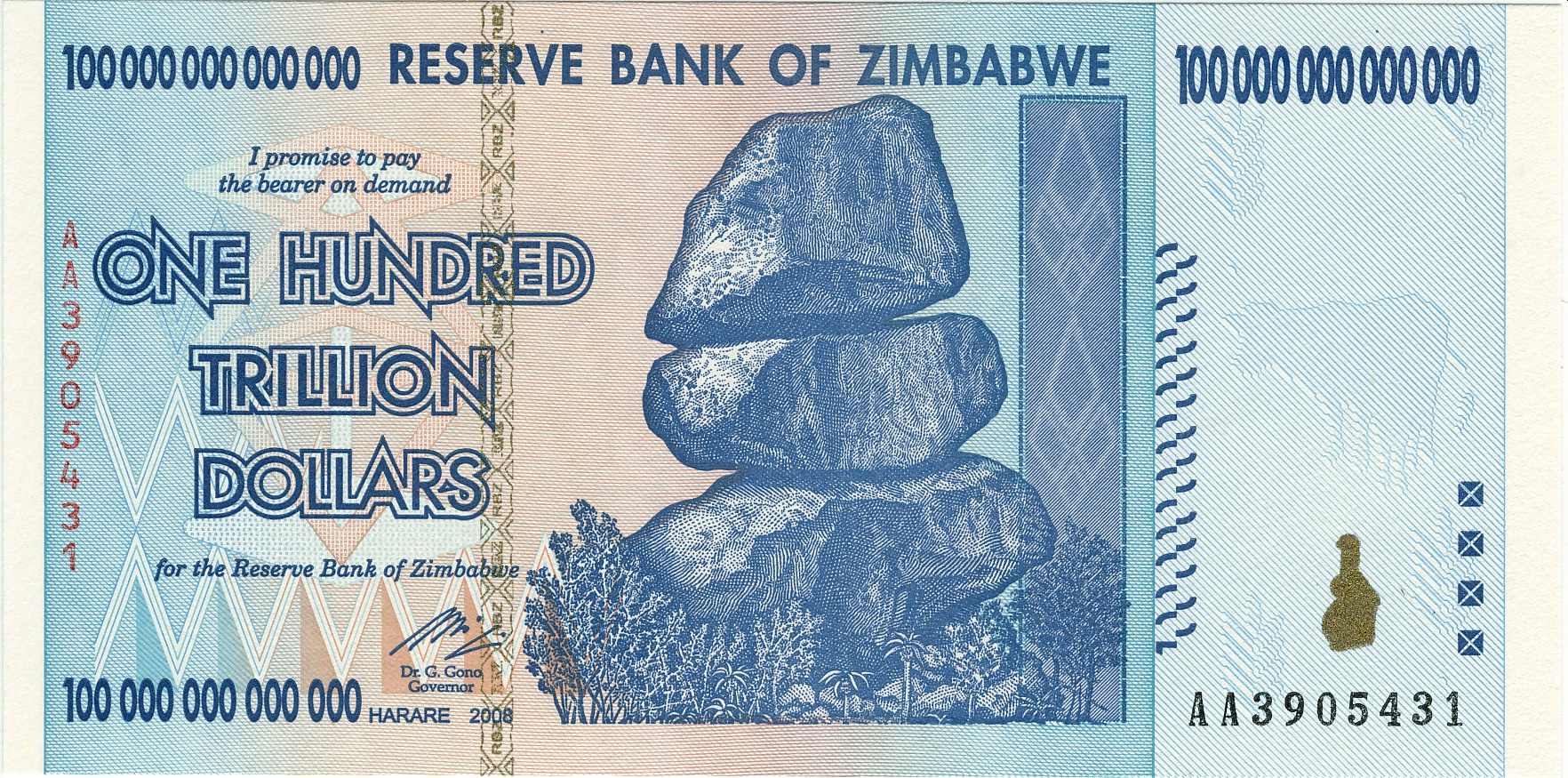
Zimbabwe